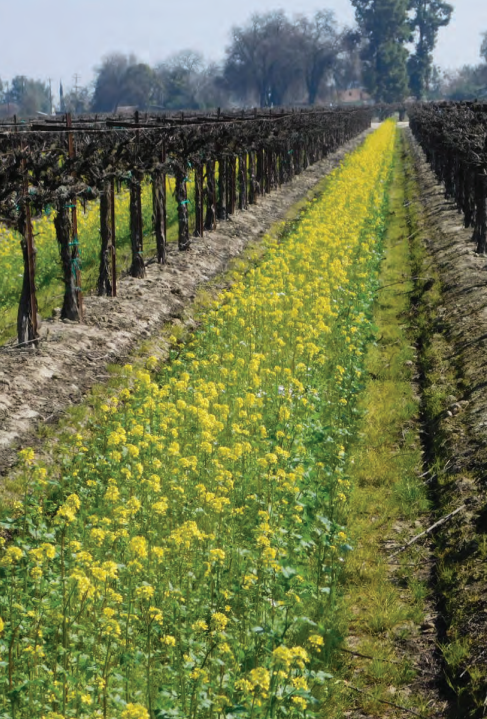
Why Should You Plant Cover Crops?
A Cover crop is a plant used to improve soil health, control pests and diseases, reduce weeds and manage soil erosion. By Improving the soil, you will improve the health and productivity of the soil, and the crops produced from it.
The 3 most common reasons used to promote cover crops are: Soil Improvement, Soil Nutrient Improvement, and Soil Protection from Erosion.
Soil Organic Matter Improvement: Modern high tillage farming systems have depleted the original soil organic matter.By introducing a cover crop to the rotation, a grower can help stop this decline and reverse this trend over time. For every 1% increase in soil organic matter (SOM), the water holding capacity of the top 6” of soil is increased by 20,000 gallons or as much as 6%.
Soil Nutrient Improvement is usually associated with legumes in the cover crop fixing nitrogen, but the addition of a cover crop releases other nutrients from the soil as the plant material breaks down as well.
Soil Protection from erosion by water is reduced with cover crops by both protecting the soil surface and the increased infiltration under the cover crop. Soil with a standing cover crop is less likely to be prone to wind erosion. Water infiltration is increased by the pores left in the soil by the cover crop roots, and by increasing the time water is retained on the area by top growth slowing the water flow across an area.
Additional Benefits of Cover Crops
Suppress Weeds
- By competing with weeds for light, moisture and nutrients
- Management practices can reduce the amount of weed seed developed, early mowing.
- Living or killed mulches that smother weeds, killing the mulch can control weeds too
Allow Field Access for Winter Operations
- Sod-based cover crops allow early spring spraying or operations
- Reduced ruts and compaction from working on wet soil
Address Soil Moisture Issues
- Too much soil moisture: high water tables or high water holding capacity soils
- A perennial grass as a cover crop can use excess soil moisture
- Stretching irrigation water: plant matter mulches reduce soil evaporation
- A killed mulch will not be transpiring water, and shields the soil from evaporation
Increase Diversity Within The Field
- Pollinator forage, diverse forage/pollen/nectar
- IPM practices, habitat and for age for beneficial insects
- Increased soil biota will increase soil
- Increased earthworms will increase carbon and nutrient cycling and increase infiltration.
Address Environmental Regulations
- A cover crop can sequester soil and water Nitrates and help meet environmental regulations by having Best Management Practices in place that reduces potential nitrate/nutrient leaching
- Cover crops reduce off site movement of dust, pesticide drift and surface water.
This is an excerpt from our Cover Crop and Forage Guide. Download the full document here.